
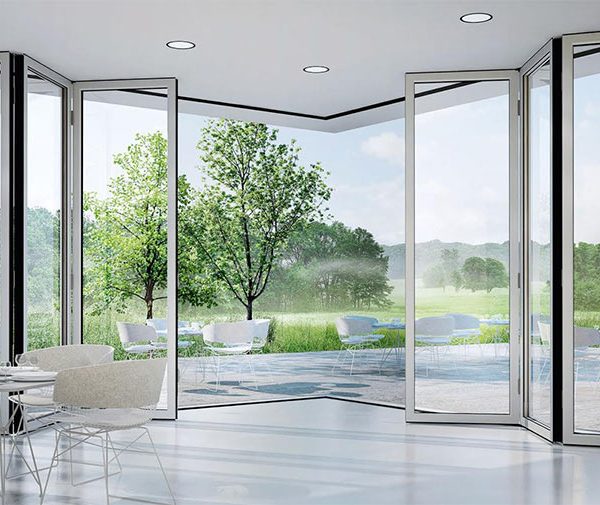
Dubai properties thrive on spaces that feel open yet stay comfortable. A Dubai based specialist can tailor a system to handle heat, dust, and local regulations. The Sliding & Folding Glass Wall System from Smart Roof Shades blends indoor comfort with outdoor living, making it a smart investment for villas, cafés, hotels, and offices.
TL;DR / Key Takeaways
- Dubai properties benefit from glass wall systems that blend openness with strong thermal and dust protection.
- Key choice factors: system type (sliding vs folding), glass type, hardware/tracks, automation, and climate-specific seals.
- For Dubai, prioritize double glazing, UV protection, robust seals and a local installer who understands UAE regulations.
- Expect installation timelines of a few days to a couple of weeks depending on size and customization; ongoing maintenance is essential in a coastal climate.
- Real-world uses: villa terraces, restaurant frontages and flexible office spaces showcase the value of indoor–outdoor living.
What is a sliding & folding glass wall system?
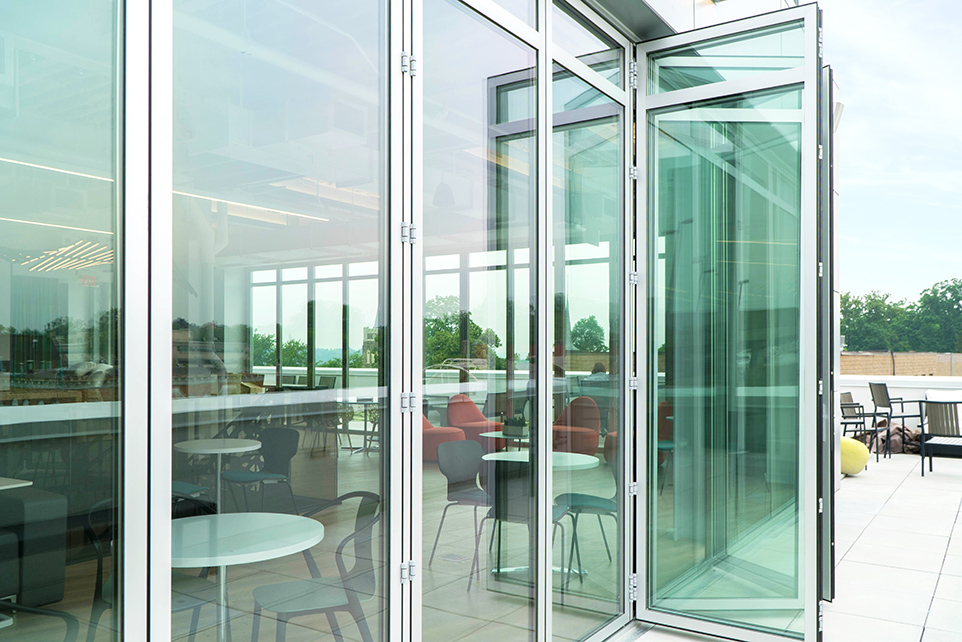
It is a set of glazed panels on tracks that slide or fold to open large wall openings. This creates flexible, transparent boundaries between indoor and outdoor spaces in Dubai. Smart Roof Shades designs emphasize durability, weather sealing and ease of operation. A typical system includes panels, top and bottom tracks, hardware, locking mechanisms, and drainage. The panels can stack to one side (sliding) or fold to a corner (bi-fold).
For visual clarity think of a large glass doorway that you can retract fully. If visuals aren’t available a simple diagram with panels sliding and stacking on tracks can help homeowners picture the flow.
Sliding vs Folding vs Fixed vs Movable Glass Walls
Different wall systems fit different Dubai spaces. Here’s a quick guide to the four main types.
Sliding glass walls
- What it is: Panels slide along a single plane to reveal an opening.
- Dubai uses: Balconies and terraces where space is tight.
- Pros/cons: Easy operation, good for long openings; can require more track space and may have less full-speed corner access.
- Best fit: Open balconies and continuous retail fronts where a wide easy glide is needed.
Folding / Bi-fold walls
- What it is: Panels fold to stack in a corner or side, creating a near fully open opening.
- Dubai uses: Villa terraces and restaurant fronts needing dramatic opening widths.
- Pros/cons: Maximum opening width and dramatic visuals, more moving parts and track complexity.
- Best fit: Large outdoor dining areas and seamless indoor–outdoor zones.
Movable partitions
- What it is: Glass partitions that can be repositioned to reconfigure space.
- Dubai uses: Flexible offices and showrooms.
- Pros/cons: Great for adaptable layouts may have higher cost per square meter.
- Best fit: Open-plan offices needing privacy on demand.
Fixed glass walls
- What it is: A fixed pane wall that cannot move.
- Dubai uses: Frameless or framed facades with a clean look.
- Pros/cons: Excellent seals and insulation, no operable opening.
- Best fit: Facades where airflow is less critical but daylight and views matter.
- Max opening width: Folding systems typically offer the widest openings.
- Acoustics: Larger operables can reduce sound isolation unless properly sealed.
- Maintenance: Moving parts require regular lubrication and gasket checks.
- Indoor–outdoor: Best transitions are achieved with folding or movable partitions.
Key Factors When Choosing a System in Dubai
Choosing a system starts with climate readiness and performance. Heat load, UV protection, and dust sealing rank highest in Dubai. Choose glass and seals designed for UV exposure and heat cycling. Quality hardware and tracks matter in coastal conditions. The frame should be aluminum for durability in salt spray and humidity.
Next, safety, codes, and local approvals guide your choice. Look for glass safety ratings and secure locking systems. Ensure the product and installer comply with UAE regulations. Space constraints and geometry affect track layouts and headroom. Automation adds convenience but verifies control options and reliability. Aesthetics and finishes complete the look, from framed to frameless designs.
Tip: Work with a Dubai-focused partner like Smart Roof Shades for local design insights and regulatory support.
Glass Options & Performance
Glass options include single, double, laminated, tempered and Low E coatings. Performance indicators cover U-value, solar heat gain, UV protection and acoustic ratings. In practice, laminated glass increases safety and reduces noise, while Low-E coatings improve cooling performance in hot months. In the UAE, coastal air calls for laminated or tempered glass with UV stable coatings and robust edge seals.
For quick reference a matrix can map glass types to climates. In Dubai double glazing with Low-E and solar control remains a popular pick, balancing glare, heat and daylight. Always verify the glass build-up with your installer and test data from the manufacturer.
Applications & Design Ideas
Homes: balcony and terrace enclosures, pool enclosures and kitchen openings create flexible living spaces. Hospitality: restaurant frontages and lobby restaurants benefit from floor-to-ceiling openings. Offices & Retail: movable glass partitions enable reconfigurable spaces and better acoustics.
Mini case-callouts: a villa terrace that opens to the garden, a cafe frontage with retractable walls, and a meeting space that shifts from open to private with movable glass partitions.
Cost & Budgeting Guide
Price drivers include opening width/height, glass type, frame finish, hardware, automation and brand origin. In Dubai, entry-level systems differ from premium packages in terms of materials and customization. Expect long term value from energy savings, space efficiency, and higher property value. Plan for on-site prep, permits and delivery logistics as hidden costs.
Installation & Maintenance in Dubai
Installation follows a clear process: site prep, trades coordination and precise fitting. Typical timelines range from 2–5 working days for standard installs larger or highly customized projects take longer. A maintenance checklist tailored to dust and coastal climate includes track cleaning, seal inspection, and hardware lubrication. Warranties and service intervals provide ongoing peace of mind.
How to Choose the Right Supplier in Dubai
Look for climate specific Dubai experience, solid local references and regulatory know-how. Check warranties and service networks. Watch for vague specs or weak maintenance plans. A Dubai-focused partner matters for smoother approvals and faster on-site work. Smart Roof Shades stands out as a trusted partner for design, fabrication, installation and aftercare in the UAE.
Note: When evaluating, ask for a 3D mockup and a site survey. This helps ensure the final look matches your vision.
Real-Life Examples / Use Cases
Villa terrace enclosure in Dubai allows full climate control in summer and opening to the garden in mild weather. Cafe frontage with floor to ceiling openings creates flexible dining. Flexible office space uses movable partitions for privacy on demand. These cases illustrate how glass walls unlock versatile living and working spaces.
Dubai Compliance, Permits & Local Considerations
Dubai Municipality approvals and Trakhees considerations are essential. A local partner can streamline inspections and approvals. Warranties and service commitments should align with UAE regulations.
How We Can Help: Next Steps with Smart Roof Shades
We offer design consultations and 3D design mockups. A site assessment ensures regulatory guidance and accurate pricing. We plan installation timelines and provide aftercare, maintenance programs, and warranty details. Ready to explore your options? Request a quote or design consult today.
What is a sliding & folding glass wall system?
It’s a set of glass panels on tracks that slide or fold to open large wall openings and connect indoor and outdoor spaces.
Which is better for my Dubai property: sliding or folding glass walls?
Sliding suits long, narrow openings and balconies, while folding (bi-fold) is ideal for wide fully open terraces and restaurant fronts.
What glass type is best for Dubai’s climate?
Double-glazed, Low-E UV-protected laminated or tempered glass is best for heat, glare, and dust control.
How long does installation usually take?
Standard installations typically take around 2–5 working days while larger custom projects can take longer.
Why choose a Dubai-based specialist like Smart Roof Shades?
They understand UAE regulations, climate challenges and can design, install and maintain systems tailored to local conditions.